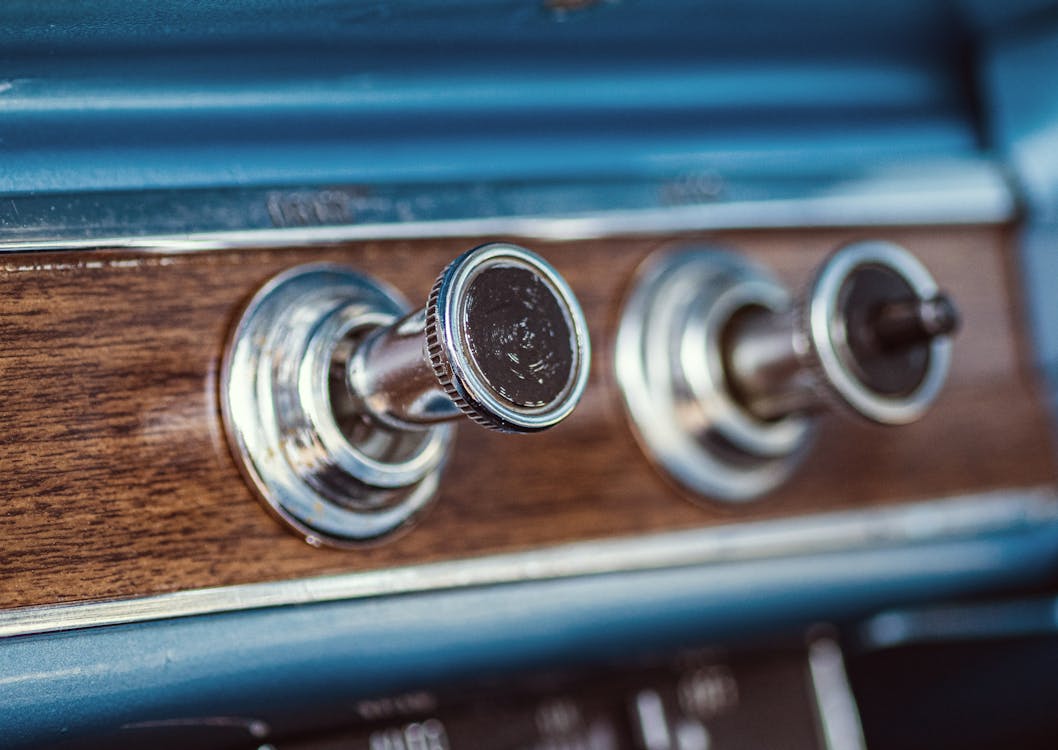
For the past decade, cars and truck interiors have been quickly evolving toward smooth, screen-dominated control board. Touchscreens changed traditional knobs, sliders, and buttons in what lots of presumed was the inevitable march of progress. Yet, in an unforeseen twist, physical buttons are quietly making their way back right into modern cars. The shift signals more than simply a nostalgic nod-- it's a feedback to real-world responses from vehicle drivers craving simpleness, safety and security, and responsive contentment.
The Digital Overload Dilemma
When touchscreens initially began taking over control panels, they seemed like the future: clean, customizable, and filled with features. They got rid of mess and enabled automakers to streamline their insides with fewer physical parts. But as even more functions were hidden within digital food selections, vehicle drivers began to articulate issues.
Touchscreens frequently call for several actions to carry out standard tasks like readjusting the climate or transforming the radio station. Unlike switches, they lack the user-friendly muscle memory that enables a driver to alter a setup without taking their eyes off the road. With so much taking place on-screen, it becomes all as well very easy to obtain distracted-- something nobody desires when taking a trip at freeway speeds.
The Return of Tactile Functionality
One of the greatest benefits of buttons is their tactile comments. You can feel them without requiring to look. This sensory support makes them not simply practical yet more secure for drivers. When your hand naturally understands where the volume knob is or exactly how far to push a button to trigger the defrost, it minimizes the requirement to glimpse down or far from the roadway. And while touchscreens use comfort for infomercial and navigation, the important day-to-day features-- like danger lights, audio controls, and HVAC-- feel far better matched to physical controls.
Actually, lots of motorists who previously advocated electronic systems have shared admiration for more recent models that mix contemporary appearances with the functional feel of traditional controls. It's not concerning turning down development-- it's concerning improving usability.
A Balanced Design Philosophy
Developers have actually taken notice of this changing sentiment. As opposed to abandoning displays, they're rethinking just how they're integrated. The best insides now strike a balance in between electronic flexibility and analog accuracy. That indicates purposefully positioning switches for essential functions while using digital interfaces for apps, navigation, and media.
This hybrid approach is particularly popular in vehicles developed for long-distance driving or families. The ease of pushing a switch without screwing up via a food selection makes a huge difference when you're try this out attempting to remain focused, comfortable, and safe. Also in automobiles understood for advanced tech, a simple rotating dial or tactile control can be the feature that gains vehicle drivers trying to find thoughtful style.
Buttons and the Emotional Connection
There's also something distinctly emotional about switches. They bring a specific level of involvement that touchscreens just do not duplicate. Pushing a button or transforming a dial seems like you're physically engaging with your automobile-- it adds a layer of connection that makes the driving experience more satisfying.
For those thinking about used Chevy cars, cars from current years often use the most effective of both worlds: responsive touch user interfaces coupled with timeless physical controls. These models bridge the gap between advancement and knowledge, making them optimal for vehicle drivers that value contemporary functions without giving up convenience of use.
Technology Isn't Just About Screens
It's easy to conflate technology with screens, however true advancement indicates boosting the vehicle driver experience. In this light, switches are a kind of clever layout. They're quickly, exact, and do not demand interest. As automobile style ends up being progressively driver-centric, benefit and intuitiveness take center stage.
This also connections straight into the resale and trade-in value of vehicles. Vehicles that prioritize straightforward attributes have a tendency to age better in the eyes of future customers. If you're taking into consideration a Chevrolet trade in, understanding that your current automobile provides an attentively developed inside, total with conveniently available controls, can have a favorable effect.
The Future Is Functional
As vehicle suppliers re-evaluate the role of user interfaces in the cabin, they're guided by motorist feedback and real-world functionality studies. The renewal of switches doesn't indicate a go back to the past-- it's a step forward in thoughtful, user-first style. It recognizes that progression doesn't always suggest eliminating the old but incorporating it in such a way that makes driving safer, simpler, and a lot more delightful.
If you're in the market and exploring Chevy new car deals, keep an eye on how different models manage their indoor controls. It's not nearly the touchscreen dimension-- it's concerning exactly how the car assists you remain concentrated on the roadway while making your daily commute more user-friendly. Buttons might not be the flashiest feature, however they're rapidly turning into one of the most appreciated.
For more insights into automotive fads, interior design innovations, and clever cars and truck buying suggestions, be sure to examine back consistently. We're constantly updating the blog site with fresh ideas to help you browse the road in advance.